
GoPro Max 2 vs DJI Osmo Nano
VS
Overview of the GoPro Max 2
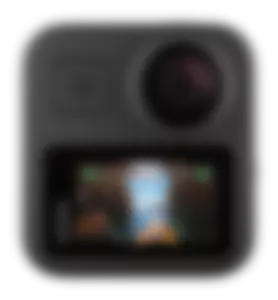 GoPro Max 2
GoPro's latest 360 camera
The Max 2 is GoPro's latest 360 camera, released in September 2025 and promises better 8K footage than it's main rivals, the Insta360 X5 and DJI Osmo 360. The Max 2 also features very durable but also replaceable lenses that screw on for repairs in the field, making it one of the most robust 360 cameras available.
- Pros
- Replaceable lenses
- Integrated GPS
- GoPro ecosystem
- Cons
- Poor low light performance
- 16ft / 5m waterproof and no diving case
- Overheats faster than competition
Overview of the DJI Osmo Nano
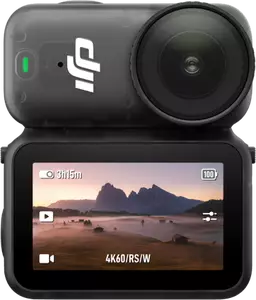 DJI Osmo Nano
DJI's latest wearable action camera
The DJI Osmo Nano is DJI's latest wearable action camera and offers incredible 4K120fps performance in a minute package. With it's small size, you can clip it to a cap, wear it on a headband or on your clothes with a magnetic necklace for first person footage. It has a modular design and attaches to the "Vision Dock" which features a touchscreen as well as extra battery and storage.
- Pros
- 4K120fps footage
- Wearable
- SuperNight Mode for low light
- Great battery life for the size
- Cons
- Restricted to internal storage without dock
- Vision Dock is only splashproof
Comparison of the Max 2 vs the Osmo Nano
Quick links:
Video performance
Only the Max 2 offers HDR video. Both cameras feature slomo video. The two cameras have image stabilization.
GoPro Max 2
DJI Osmo Nano
8K 360 video at 30fps
Max 360° resolution
Feature missing
4K video at 60fps
Max resolution
4K video at 120fps
8K30fps 360°
HDR video
HDR video unsupported
3x
Maximum slow motion
4x at 4K
Max HyperSmooth
Stabilization
RockSteady 3.0
Why it matters:
A high resolution will give you crisp footage but also allow you to reframe your video without losing too much quality. A higher framerate (fps) will result in smoother video and is important when filming action scenes or fast moving subjects. Image stabilization is a crucial feature for an action camera, as it removes camera shake, vibrations, rotation and other movements that deteriorate your final footage.
Battery life
The Max 2 offers a much larger battery capacity. The Max 2 has a removable battery whereas the Osmo Nano's battery is not removable
GoPro Max 2
DJI Osmo Nano
1960mAh
Battery capacity
530mAh
Removable
Removable battery
Removable
Feature missing
Battery life
90min at 1080p
Feature missing
Battery extension capacity
2041mAh
Feature missing
Battery extension run time
200m at 1080p
Why battery life matters:
Nothing worse than running out of battery just before capturing the best footage of the day! A long battery life is reassuring and convenient when shooting footage outdoors where options to charge are limited. Even the use of a power bank can be tedious or simply impossible like when filming watersports. Having removable batteries allows battery swapping on the go which further extends your runtime.
Storage
Only the Osmo Nano features built-in storage. Both the Max 2 and the Osmo Nano support SD cards. Both support up to 1TB.
GoPro Max 2
DJI Osmo Nano
No built-in storage
Built-in storage
64GB or 128GB
microSD
Storage format
microSD
1TB
Maximun storage supported
1TB
Why storage matters:
High quality footage can quickly take up lots of space and insufficient storage can soon be frustrating. Having a large amount of storage and the possiblity to extend it or swap SD cards while on a outing will ensure you will always be able to capture the footage you want. However, smaller, wearable action cameras often rely on built-in storage because of their small size.
Weight and size
The Osmo Nano is a lot more compact than the Max 2. The Osmo Nano is a lot lighter than the Max 2.
GoPro Max 2
DJI Osmo Nano
2.52in x 2.74in x 1.92in / 64mm x 69.7mm x 48.7mm
Dimensions
2.26in x 1.16in x 1.1in / 57.3mm x 29.5mm x 28mm
6.88oz / 195g
Weight
1.83oz / 52g
Why size and weight matter:
Weight is important for action cameras because we often mount them on helmets, or hold them at the end of a selfie stick while moving. Therefore a heavier camera can be difficult or uncomfortable to film with. Weight is even more crucial for certain sports like road cycling or running.
Waterproofing and usage conditions
The Osmo Nano is a lot more waterproof. The Osmo Nano is far better for extreme cold. The Osmo Nano beats the Max 2 in high heat conditions.
GoPro Max 2
DJI Osmo Nano
16ft / 5m
Waterproof
33ft / 10m
Feature missing
Waterproof with diving case
Feature missing
14°F / -10°C
Min operating temperature
-4°F / -20°C
95°F / 35°C
Max operating temperature
104°F / 40°C
Why it matters:
Most action cameras are waterproof for accidental splashing or use above water, but if you plan on Snorkeling or Scuba Diving, we recommend choosing a camera which offers a diving case and always using it for underwater footage. If you plan on filming Snowboarding, Skiing or other wintersports in extremely cold conditions, you should pick a camera that is rated for those temperatures, most cameras are only rated down to 14°F / -10°C. Many action cameras are prone to overheating, even in ordinary conditions, so if you plan on filming in hot environments, you should choose a camera that can function at high temperatures.
Camera and sensor technology
With 180°, the Max 2 features a much wider field of view than the Osmo Nano. Both cameras feature 120Mbps bit rate video.
GoPro Max 2
DJI Osmo Nano
Feature missing
Pixels
35MP
180°
Field of view
143°
120Mbps
Video bite rate
120Mbps
Why it matters:
A higher amount of pixels will offer better quality footage and higher resolution photos. A higher field of view means that the camera captures over a wider angle and therefore more action can be seen in the final footage. Some cameras require accessories to enable the maximum FOV. A higher bitrate at a similar resolution will offer higher quality video.
Camera settings
The Osmo Nano's 100-25600 ISO range is far superior to Max 2's. The Osmo Nano's +/-4 exposure compensation is far superior.
GoPro Max 2
DJI Osmo Nano
100-6400
ISO range
100-25600
+/-2
Exposure Compensation
+/-4
Why these settings matter:
The ISO range and exposure compensation settings will mostly allow you to tweak your action camera for low light situations.
Alternatives to the GoPro Max 2
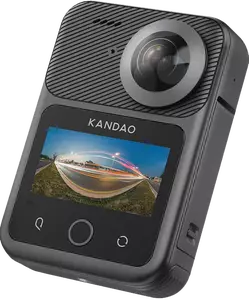 Kandao Qoocam 3 UltraKandao's latest 360 camera: 8K video and integrated GPS
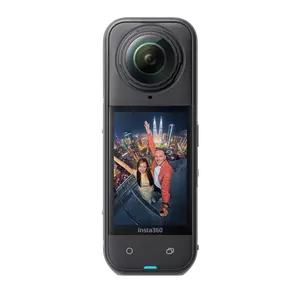 Insta360 X5Insta360's flaghship 360 camera with new replaceable lenses
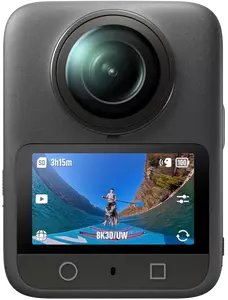 DJI Osmo 360DJI's first 360 camera
Alternatives to the DJI Osmo Nano
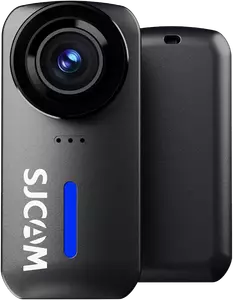 SJCam C110 PlusA pocket camera for an affordable price
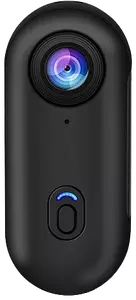 Sixmou i3A thumb sized, budget action camera
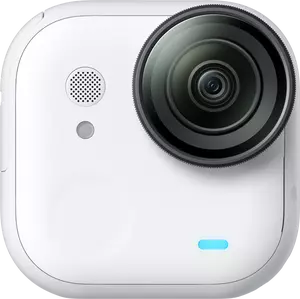 Insta360 Go UltraInsta360's latest wearable camera, now with 4K60fps video
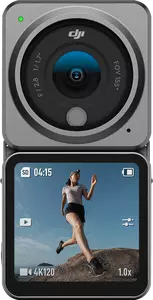 DJI Osmo Action 2DJI's modular action camera with 4K video
GoPro Max 2 versus DJI Osmo Nano specifications
| Name | GoPro Max 2 | DJI Osmo Nano |
| Year of release | 2025 | 2025 |
| Width | 2.52in / 64mm | 2.26in / 57.3mm |
| Height | 2.74in / 69.7mm | 1.16in / 29.5mm |
| Depth | 1.92in / 48.7mm | 1.1in / 28mm |
| Weight | 6.88oz / 195g | 1.83oz / 52g |
| Waterproof | 16ft / 5m | 33ft / 10m |
| Min operating temperature | 14°F / -10°C | -4°F / -20°C |
| Max operating temperature | 95°F / 35°C | 104°F / 40°C |
| Battery capacity | 1960mAh | 530mAh |
| Removable battery | Yes | No |
| Battery life | - | 90min at 1080p |
| Battery extension capacity | - | 2041mAh |
| Battery extension run time | - | 200m at 1080p |
| Battery extension weight | - | 2.54oz / 72g |
| Built-in storage | - | 64GB 128GB |
| Storage format | microSD | microSD |
| Storage rating required | V30 or UHS-3 | V30 or UHS-3 |
| Maximun storage supported | 1TB | 1TB |
| Rear screen size | - | 1.96in |
| Field of view | 180° | 143° |
| Sensor | 1/2.3" | 1/1.3" |
| Pixels | - | 35MP |
| Aperture | F1.8 | F2.8 |
| Focal length | 14-26mm | - |
| ISO range | 100-6400 | 100-25600 |
| Color Depth | 10bit | 10bit |
| Video bite rate | 120Mbps | 120Mbps |
| Exposure Compensation | +/-2 | +/-4 |
| 360-degree video | Yes | No |
| 8K 360 video | 30fps | - |
| 5.7K 360 video | 60fps | - |
| 4K 360 video | 100fps | - |
| 360 video format | GoPro 360 file | - |
| 4K video | 60fps | 120fps |
| 2.7K video | - | 120fps |
| 1080p video | 60fps | 240fps |
| Slow motion at 4K | 3x | 4 |
| Maximum slow motion | 3x | 4x at 4K |
| HDR video | 8K30fps 360° | - |
| Stabilization | Max HyperSmooth | RockSteady 3.0 |
| Horizon lock | Yes | Yes |
| Video format | H.265 (HEVC) | H.265 (HEVC) |
| Live streaming | - | No |
| Timelapse mode | Yes | Yes |
| Starlapse mode | Yes | Yes |
| Timeshift mode | Yes | Yes |
| Loop recording mode | Yes | Yes |
| Subject tracking | Yes | No |
| Photo burst mode | Yes | Yes |
| RAW format supported | Yes | Yes |
| Microphones | 6 | 2 |
| Stereo audio | Yes | Yes |
| Noise reduction | Yes | Yes |
| Audio format | wav | aac |
| Audio input | - | Dual DJI Microphone Direct Connection |
| Wifi | 802.11 a/b/g/n/ac | 802.11 a/b/g/n/ac/ax |
| Bluetooth | BLE 5.3 | BLE 5.1 |
| USB | Type-C USB | Type-C USB |
| GPS integrated | Yes | - |
| Voice commands | Yes | Yes |